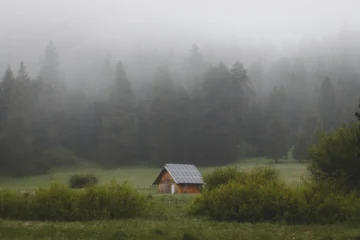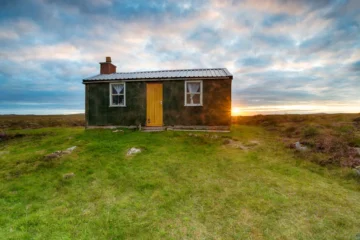

Living off the grid offers freedom and sustainability, but is it truly legal? Discover the essential facts you need to know before leaping.
Understanding Off-Grid Living
Off-grid living refers to a lifestyle where individuals or families choose to live independently of public utilities and infrastructures, such as electricity, water supply, and sewage systems. This self-sufficient approach often involves generating your own power, sourcing water from natural resources, and managing waste sustainably. People are drawn to off-grid living for various reasons, including a desire for environmental sustainability, independence, and a simpler way of life.
Embracing off-grid living might mean adopting renewable energy sources like solar panels, wind turbines, or hydroelectric systems. It also entails developing systems for water collection, such as rainwater harvesting, and wastewater treatment through composting toilets or greywater systems. The goal is to minimize reliance on external services and reduce one’s ecological footprint.
However, transitioning to an off-grid lifestyle isn’t just about the technical and practical aspects. It’s crucial to understand the legal implications and navigate the regulatory framework that governs such living arrangements. Laws and regulations vary widely across different regions, and understanding these is key to ensuring a lawful and hassle-free off-grid existence.
Legal Definitions and Regulations
Before diving into the specifics of off-grid regulations, it’s important to grasp the legal definitions relevant to this lifestyle. “Off-grid” generally means not being connected to the public utility infrastructure, but the legal interpretation can vary. The term can encompass various levels of independence, from partial disconnection to complete self-sufficiency.
The legal landscape for off-grid living is complex and multifaceted, involving multiple layers of regulations. These include local zoning laws, building codes, health and safety standards, and environmental regulations. Each layer aims to ensure safety, public health, and environmental protection while balancing individual freedoms with community interests.
In some regions, off-grid living is explicitly addressed in legal frameworks, while in others, it’s a gray area. This variability makes it essential for prospective off-grid dwellers to conduct thorough research and engage with local authorities to understand the specific requirements and restrictions applicable to their intended lifestyle.
Zoning Laws and Building Codes
Zoning laws are one of the most significant legal hurdles for those wishing to live off the grid. These laws dictate how land within certain areas can be used, including the types of structures that can be built and the activities that can take place. Zoning regulations are primarily local, meaning they can differ significantly from one municipality to another.
For off-grid living, the key is to find land zoned for agricultural or rural residential use, as these categories often allow for greater flexibility in building and land use. However, even within these zones, there can be restrictions on the types of structures allowed, the minimum size of dwellings, and the density of development.
Building codes are another critical consideration. These codes set standards for construction practices to ensure safety and habitability. While they are essential for public safety, they can be challenging for off-grid builders who may use unconventional materials or methods. It’s vital to understand the specific building code requirements in your area and seek any necessary variances or exemptions to accommodate your off-grid plans.
Water and Waste Management Regulations
Managing water and waste independently is a cornerstone of off-grid living, but it comes with its own set of legal challenges. Water rights are a complex issue in many regions, with laws governing the use of surface water, groundwater, and rainwater collection. It’s crucial to understand these laws to ensure you can legally access and use the water sources you plan to rely on.
For example, in some areas, collecting rainwater is encouraged and even incentivized, while in others, it may be restricted or regulated. Similarly, drilling a well for groundwater may require permits and adherence to specific guidelines to prevent contamination and overuse of the aquifer. Understanding these regulations is essential to ensure a sustainable and legal water supply.
Waste management is another critical area where regulations play a significant role. Composting toilets and greywater systems are popular choices for off-grid dwellers, but they must meet health and safety standards to prevent environmental contamination and protect public health. Navigating these regulations often involves obtaining permits and ensuring that systems are designed and maintained according to local guidelines.
Energy Independence: Legal Considerations
Achieving energy independence is a major goal for many off-grid enthusiasts, but it requires navigating various legal considerations. Generating your own power through renewable sources like solar, wind, or hydro can be a complex process involving multiple regulations and permits. Understanding these requirements is essential to ensure a legal and uninterrupted energy supply.
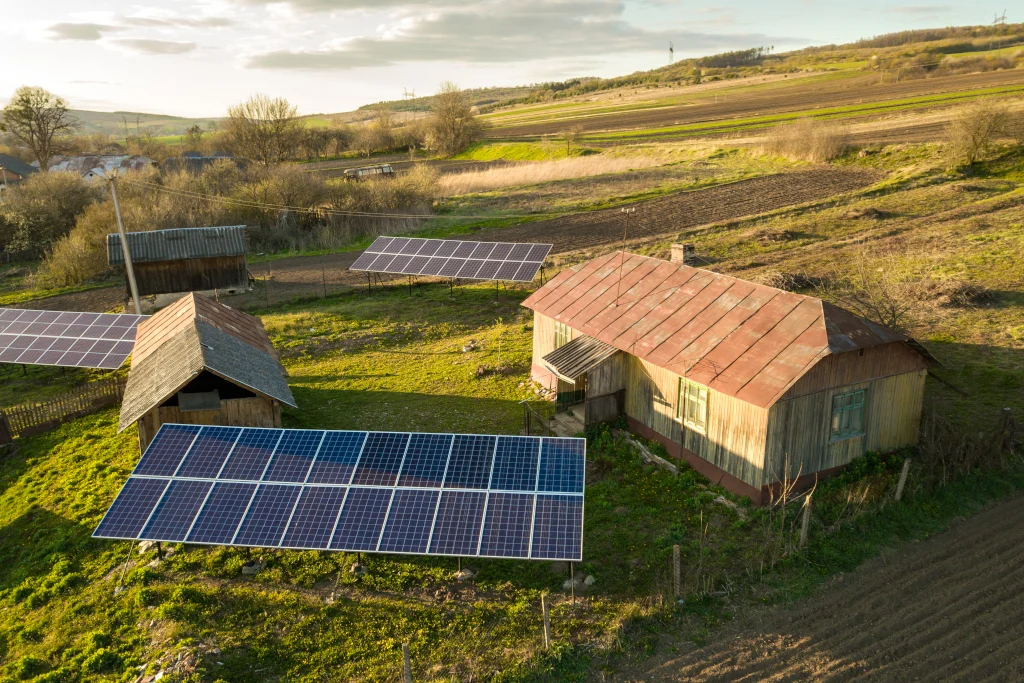
Solar power is one of the most popular choices for off-grid energy, but it comes with its own set of regulations. These can include permits for installation, adherence to electrical codes, and sometimes even restrictions on the size and placement of solar panels. It’s essential to work with local authorities and possibly even certified installers to ensure compliance.
Wind and hydroelectric power systems also have specific regulatory requirements. These may include environmental impact assessments, water rights for hydro systems, and zoning regulations for wind turbines. Understanding and complying with these regulations is crucial to avoid legal issues and ensure a sustainable and reliable energy source for your off-grid lifestyle.
Property Rights and Land Use
Property rights are a fundamental consideration for anyone looking to live off the grid. These rights determine what you can and cannot do on your land, and they are governed by a complex web of laws and regulations. Understanding these rights is essential to ensure that your off-grid plans are legally viable and sustainable.
One of the key aspects of property rights is the concept of land use. This encompasses everything from the types of structures you can build to how you can use natural resources like water and timber. Zoning laws play a significant role in determining land use, but there are also other considerations, such as easements, covenants, and deed restrictions.
It’s also important to consider the potential for conflicts with neighbors or local authorities. Disputes over property boundaries, water rights, or land use can arise and lead to legal challenges. Understanding your rights and responsibilities, and maintaining good relationships with your neighbors and local authorities, can help prevent and resolve these issues.
Permits and Licensing for Off-Grid Living
Permits and licenses are a critical part of the regulatory landscape for off-grid living. These legal tools help ensure that structures and systems meet safety and health standards, but they can also pose challenges for off-grid dwellers. Understanding the permit and licensing requirements for your area is essential to ensure legal compliance and avoid potential issues.
Building permits are one of the most common requirements for off-grid living. These permits ensure that structures meet local building codes and safety standards. Obtaining a building permit typically involves submitting plans for approval, paying fees, and undergoing inspections. It’s important to understand the specific requirements in your area and work with local authorities to obtain the necessary permits.
Other permits and licenses may be required for specific aspects of off-grid living, such as obtaining water rights, installing septic systems, and utilizing renewable energy installations. These requirements can vary significantly depending on the location and the specific systems being used. Conducting thorough research and working with local authorities can help ensure that you obtain the necessary permits and licenses for your off-grid lifestyle.
State-Specific Laws and Variations
One of the key challenges of off-grid living is navigating the variations in laws and regulations from state to state. Each state has its own legal framework for land use, building codes, water rights, and energy generation, making it essential to understand the specific requirements and restrictions in your area.
For example, some states have more lenient regulations for off-grid living, encouraging sustainable practices and renewable energy use. These states may offer incentives for solar power, rainwater harvesting, and composting toilets. On the other hand, some states have stricter regulations that can pose significant challenges for off-grid dwellers.
Understanding the state-specific laws and variations is crucial for ensuring legal compliance and avoiding potential issues. This often involves conducting thorough research, consulting with local experts, and engaging with state and local authorities to understand the specific requirements and restrictions for off-grid living in your area.
Challenges and Legal Issues Faced by Off-Grid Dwellers
Living off the grid offers many benefits, but it also comes with its share of challenges and legal issues. Navigating the complex regulatory landscape, obtaining the necessary permits and licenses, and ensuring compliance with local laws can be daunting. Understanding these challenges and legal issues is essential for ensuring a successful and sustainable off-grid lifestyle.
One of the main challenges for off-grid dwellers is dealing with the variability in regulations from one region to another. This can make it difficult to understand and comply with the specific requirements for your area. Conducting thorough research, consulting with local experts, and engaging with local authorities can help address this challenge.
Another common issue is the potential for conflicts with neighbors or local authorities. Disputes over property boundaries, water rights, or land use can lead to legal challenges. Maintaining good relationships with neighbors and local authorities, understanding your rights and responsibilities, and seeking legal advice when necessary can help prevent and resolve these issues.
Conclusion: Navigating the Legal Landscape of Off-Grid Living
Living off the grid offers a unique and rewarding lifestyle, but it’s essential to understand the legal landscape and navigate the regulatory framework to ensure a successful and sustainable experience. Understanding the legal definitions and regulations, zoning laws, building codes, water and waste management regulations, and energy independence considerations is crucial.
Property rights and land use, permits and licensing requirements, and state-specific laws and variations are also key factors to consider. Successfully navigating these challenges requires conducting thorough research, consulting with local experts, engaging with local authorities, and understanding your rights and responsibilities.
By taking the time to understand and navigate the legal landscape, you can ensure a lawful and hassle-free off-grid lifestyle. Embracing the freedom and sustainability of off-grid living while complying with the necessary regulations will help you achieve a successful and fulfilling off-grid experience.