This post contains affiliate links. If you buy through them, we may earn a commission at no extra cost to you. Learn more.
Milkweed is the number one plant to attract monarch butterflies, but many others—like Zinnia, Cosmos, and Miss Molly bushes—also provide essential nectar and pollen for both butterflies and their caterpillars. Creating a butterfly-friendly garden not only helps these endangered pollinators but also boosts your garden’s overall health and productivity.
Why Monarchs Matter in Your Garden
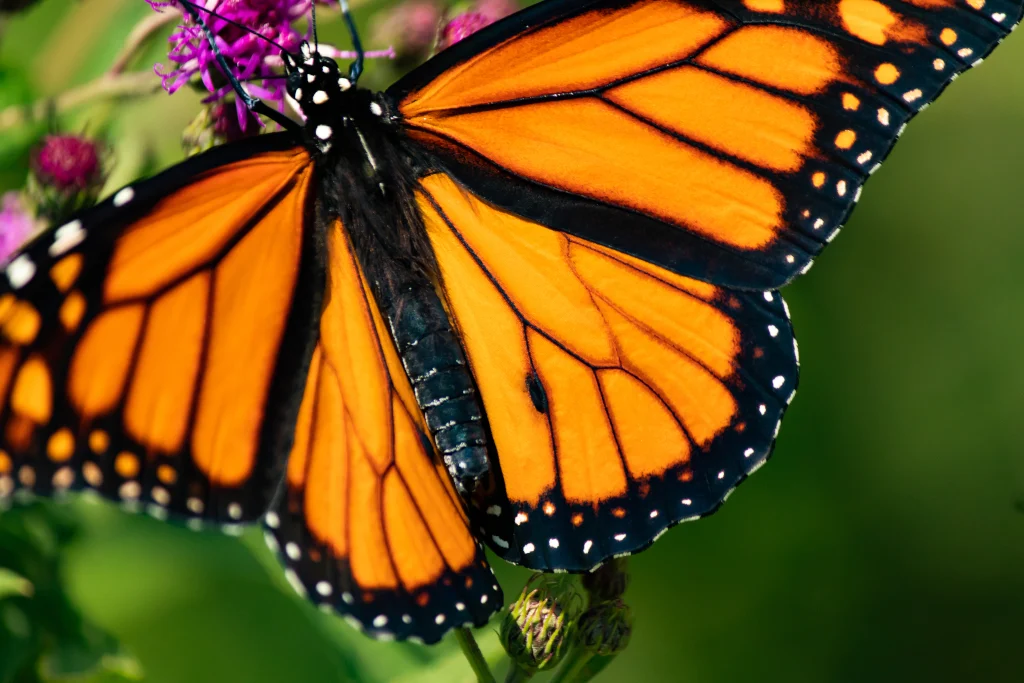
Monarch butterflies are more than just beautiful—they’re hardworking pollinators. However, due to habitat loss and pesticide use, their populations have been in sharp decline. By growing specific plants, you’re creating a safe haven and food source for these iconic insects.
How to Choose the Right Plants
- Milkweed is essential—it’s the only host plant for monarch caterpillars.
- Choose a mix of annuals and perennials for continuous blooms.
- Match plants to your climate and hardiness zone.
- Grow from seed for more variety, or use established plants for faster blooms.
The Top 13 Plants That Attract Monarch Butterflies
1. Milkweed
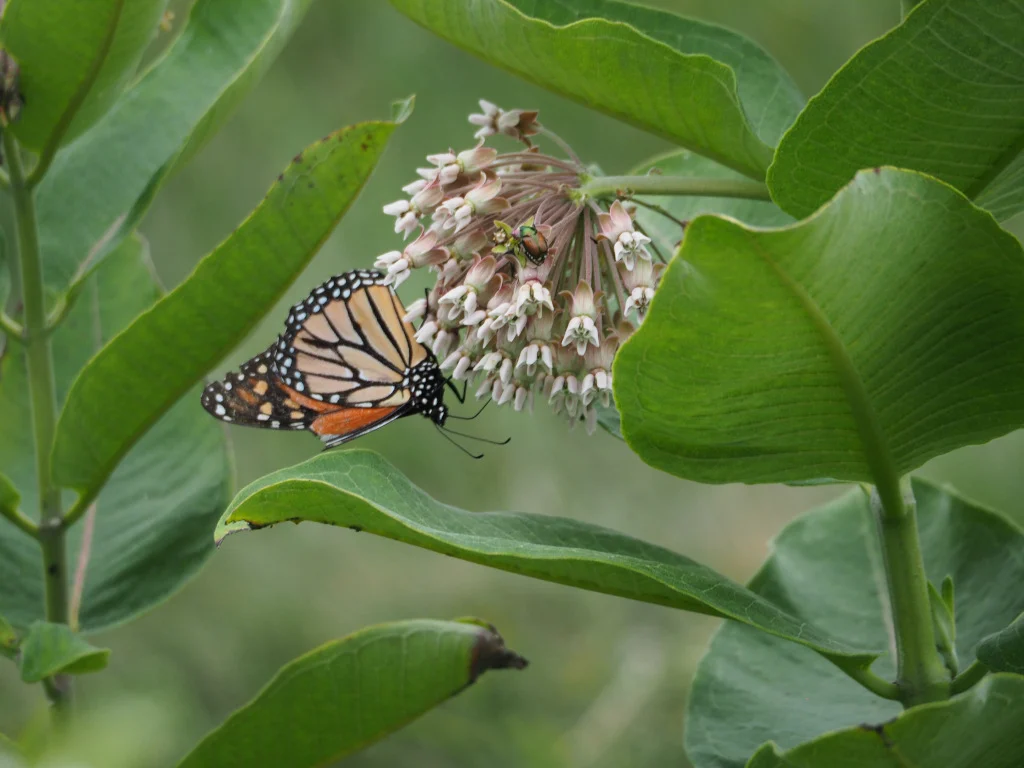
The ultimate monarch plant. Monarch caterpillars feed exclusively on milkweed, which makes this plant non-negotiable. Its toxins also protect the caterpillars from predators.
2. Zinnia
Colorful, tall, and full of nectar, zinnias are easy to grow and excellent for monarchs and other pollinators.
3. Miss Molly (Butterfly Bush)
This bush explodes with blooms that are irresistible to monarchs. They thrive with proper pruning and fertile soil.
4. Cosmos
Annual flowers that bloom quickly and are extremely low maintenance. Their flat blossoms make great landing pads for butterflies.
5. May Night Salvia
Deep purple-blue flowers packed with nectar. A favorite among monarchs, bees, and even hummingbirds.
6. Blue Porterweed
While the flowers are small, they are loaded with pollen and are one of the monarch’s preferred snacks.
7. Siberian Wallflower
Bright orange, highly aromatic, and bursting with blooms. A great contrast flower that draws attention—and butterflies.
8. Goldenrod
Monarchs, bees, and birds alike enjoy this late-season bloomer with pollen-rich clusters.
9. Agastache (Ava Flowers)
Abundant nectar producer that attracts hummingbirds and monarchs alike. A wildflower garden favorite.
10. Mexican Sunflower
Monarchs use these flowers as rest stops during migration. The large orange blooms are both striking and practical.
11. Lantana
Extremely resilient and colorful. Just watch out for powdery mildew—keep them in full sun and water at the base.
12. Verbena
Tolerates heat and drought well. It’s easy to grow and teems with pollinator activity all summer long.
13. Callistemon (Bottlebrush)
Native to Australia, this red-blossomed plant thrives in hot, dry climates and attracts monarchs with its vibrant pollen-rich blooms.
In More Details
Monarch butterflies can significantly assist your garden, whether you are cultivating your own food or flowers for show. They are excellent pollinators. Monarch butterfly populations have been steadily declining over the last few decades, owing primarily to habitat degradation and insecticide use. So… what plants that attract monarch butterflies should you grow?
Plants that attract monarch butterflies have whole blossoms densely packed with pollen, such as Zinnia, Cosmos, and Ava flowers. The milkweed is the best plant for attracting monarch butterflies; it supplies food for monarch butterflies and is also essential for monarch caterpillars. While feeding on milkweed, monarch caterpillars absorb the plant’s poisons, which serve as a defense mechanism for the monarch caterpillars.
Before you plant the plants that attract monarch butterflies, you need to evaluate your local climate. Some of the plants listed below are not winter hardy; some are annuals, while others are perennials. Ideally, you should select a mix of annual and perennial plants that attract monarch butterflies because annual plants flower the first year. Still, some perennials take 2-3 years to produce flowers.
You can cultivate these plants from seed or established plants. Still, if you want to have as many different types of plants that attract monarch butterflies as possible, you should grow them from seed.
What Plants Attract Monarch Butterflies?
Milkweed
Milkweed is one of the most well-known plants that attract monarch butterflies. While there are many distinct milkweed species, they all attract monarch butterflies. They are not only attractive to butterflies, but they are also useful to monarch caterpillars. The monarch caterpillars absorb compounds from the milkweed they employ as a defense strategy, and no other plant offers them this benefit.
Here are some of the best seeds to grow Milkweed!
Zinnia Flowers
You almost certainly have a few zinnias if you have a modest flower patch. The zinnia flowers are not only lovely to look at, but they also attract monarch butterflies and a variety of pollinators. Zinnia plants grow to be rather tall, which is helpful for monarch butterflies, who prefer spacious places to avoid predators.
Zinnias are beautiful, if not handy to increase pollinators. Here are some high-quality seeds for Zinnia.
Miss Molly Bushes
Butterfly bushes, also known as Miss Molly bushes, attract monarch butterflies. These bushes generate a lot of blossoms, and the more flowers the bush has, the more pollen there is for monarch butterflies and other pollinators to eat. Miss Molly bushes can grow quite large, and the number of flowers they produce depends on the soil fertility and how they are pruned.
Here’s a one-ounce pack of seeds that will grow all the Miss Molly bushes you could ever need.
Cosmos Flowers
Cosmos flowers are easy to grow and provide a lot of pollen for pollinators. Therefore, they may be found in practically any flower garden. These flowers attract monarch butterflies, and the more cosmos flowers you have, the more butterflies you’ll have in your yard. Cosmos flowers are annuals, which means they bloom the first year they are planted, and the greatest thing is that they are very easy to grow.
Cosmos is a great plant for beginner gardeners. Check out the seeds here.
May Night Salvia
The May Night Salvia outshines all other Salvia plants to attract monarch butterflies. This plant produces blue and purple flowers with a lot of nectar; most pollinators adore it, and some hummingbirds will also eat it. Grass clippings are one of the greatest mulches for flowers.
Blue Porterweed
All types of Porterweed flowers attract monarch butterflies and other pollinators. Still, the Blue Porterweed is one of the monarch butterfly’s favorite flowers. The flowers of the Blue Porterweed are small, but they are densely packed with pollen.
Siberian Wallflowers
Siberian Wallflowers have a distinct aroma, and their bright, vivid orange flowers stand out in any flower garden. These wallflowers produce many flowers, and you won’t be able to see the leaves from all of them in certain circumstances.
These Siberian wallflower seeds are high quality and great for monarch butterflies. You can buy them here.
Goldenrods
Bees, monarch butterflies, and hummingbirds are pollinators attracted to goldenrod plants. The huge pollen grains on this plant are one of the key reasons monarch butterflies like it.
You’ll probably want to grow some of these plants in a flower bed. For that, I recommend getting the proper mulch.
Agastache
Hummingbirds are attracted to Agastache blossoms, and any plant that attracts hummingbirds will also attract monarch butterflies. The amount of nectar produced by Agastache blossoms is the main reason monarch butterflies and other pollinators flock to them. Even if you have a huge butterfly garden, you will observe that monarch butterflies flock to the ava flowers.
These agastache seeds are great for anyone looking to start a wildflower garden.
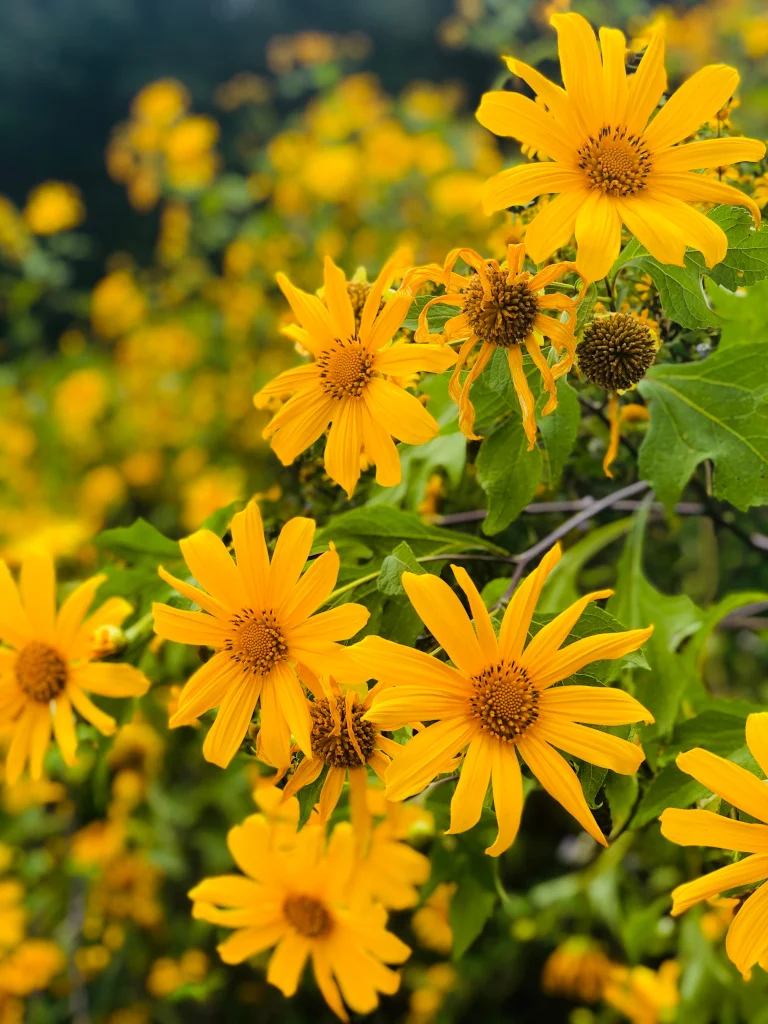
Mexican Sunflowers
Mexican Sunflowers are found natively in South America and are one of the Monarch butterfly’s favorite flowers. As the monarch butterflies begin their journey south, they will stop in gardens with many Mexican Sunflowers to rest.
Lantana Plant
The Lantana plant is the easiest to cultivate. While it prefers well-draining soil, it will grow just about anywhere if you apply compost. Monarch butterflies, pollinators, and occasionally hummingbirds are attracted to lantana blooms. When planting Lantana flowers, remember that they are prone to powdery mildew, so ensure they are in full sunshine and that you water them from below.
Verbena Flowers
The blossoms of the Verbena attract a variety of pollinators, including monarch butterflies, bees, and hummingbirds. Verbena flowers are incredibly easy to grow from seed. The best part is that they can survive in even the aridest conditions.
Callistemon
The Callistemon is a sun-loving, heat-tolerant plant native to Australia, where it can thrive in drought circumstances. The flower has bright red blossoms that produce a lot of pollen, attracting hummingbirds and monarch butterflies.
Final Thoughts
As you can see, many plants attract monarch butterflies, but you should select those that will thrive in your climate. If you only have time to pick one plant from this list, milkweed is my favorite.
FAQ
- What is the best plant to attract monarch butterflies?
Milkweed is the best plant because it’s the only host for monarch caterpillars and a major nectar source. - Can I grow these plants in pots?
Yes! Zinnias, cosmos, milkweed, and lantana do well in containers with proper drainage and full sun exposure.