
Quick answer: When buying land online, confirm the seller actually owns the land, then check road access, zoning, slope, flood zones, utilities and building permits before you pay. For rural land without a sewer, make the deal depend on a soil analysis that shows a suitably sized septic system can be permitted.
Buying land online is becoming increasingly popular. It’s easy to see why. You can browse properties all around the world from the comfort of your own home.
There are a few things to be wary of when buying land online. Like many buyers, you may want to make an impulsive decision after finding a property you love. This is especially the case if the property is listed with a low selling point.
Many off-grid cabins and plots are now found online, for example on Facebook Marketplace, where you can often connect with the seller directly. Even then, tour the land before you buy. Here are the lessons that matter most in that process!
Want to learn about buying off-grid land? Check out our full guide!
Our Tips For Buying Land Online
Set a Clear Goal
Before browsing Zillow or another listing agency, set your specifics on land. I recommend narrowing these things down:
- Where do you want to buy land?
- What’s your budget?
- Are there any dealbreakers (for example, a creek on the property)?
I know a lot of people LOVE looking at cheap land. Simply because something is inexpensive doesn’t guarantee that it will benefit you. Consider your options for the land: farming, homesteading, building a house, etc. It will be much simpler to search for it online if you know what you need to perform on the piece of land.
Avoid becoming sidetracked by advertisements for properties in other states if you want to purchase a piece of property in a certain location. This happens to many buyers!
Prices Change Based on Specifics
The price of property listings online changes drastically based on a few things. Here are a few things it depends on:
- What agency are you using (Zillow v.s. Trulia)
- What device are you using (YES, this is true!)
- Where you are looking from
I recommend checking multiple websites for the same property before buying the land! Typically, the titles of the listings will be the same, making it simple to locate every website with the plot of property listed. For instance, if the title reads “Florida land 7 acres sold by owner,” you should search for that phrase on Google. You can locate the lowest price for the land by doing this!
Loans Are Not the Best
I don’t recommend using loans when buying land online. When purchasing land with a loan, you don’t have any room for negotiation. This is the complete opposite when using cash!
I understand that buying land with cash isn’t doable for everyone, but maybe that means you should keep saving! Going into debt simply because you like the land is the last thing you want to do, especially if you also plan to build a house.

There Are a Ton Of Scams
Online land purchases can be risky; there are many scammers, and you risk losing both the land and your money if you do not recognize them. When buying land online, the first thing you should do is check to see who owns the land (and if it is the person selling it).
Looking at the property tax records, you can easily find out how much the actual plot of land is worth. Based on this information, you can determine whether the seller has the authority to sell it from the owner or whether the seller is the genuine owner. If this isn’t the case, you might be getting scammed!
Double Check The Zoning
When you find a good piece of land and become intrigued, you should look into the zoning that is in effect for the area. This might seem like a hassle, but trust me… it’s worth it!
The land parcel should be residential or mixed-use if you intend to build a house. Finding these residential and mixed-use zones is crucial because they often consist of smaller portions that might be anywhere on the property parcel.
Buying a homestead? Check out our resources on buying your first homestead!
Double Check Road Access
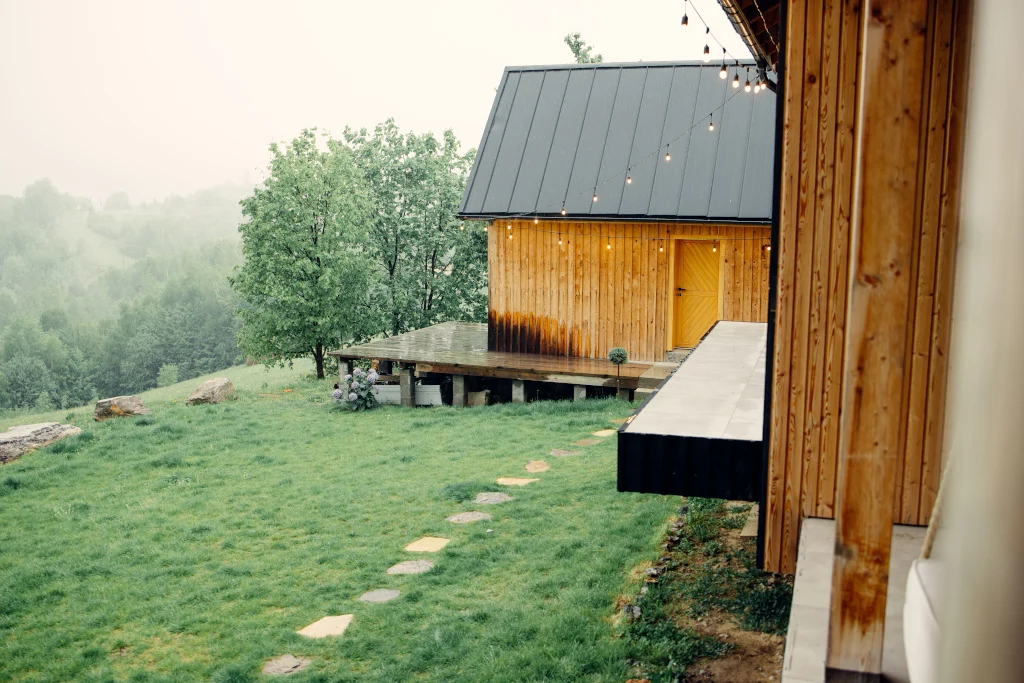
Many buyers don’t realize that the road to their property is an easement. That means driving through someone else’s property to reach yours. A friendly neighbor makes this easy, but it might not be the same for you!
You must determine who owns the road and whether you are legally permitted to use it. I wouldn’t advise you to purchase the plot of land if there is no road access to it—not even a dirt one—and you have to traverse private property to get there. This is a legal battle waiting to happen! If you’re going to do this… at least budget for it!
Don’t judge access from a map alone. Read the legal description in the deed and the recorded plat at the county register of deeds: a recorded easement can give access to a lot that looks landlocked, while a lot with no recorded right-of-way may have no legal access at all.
Double Check Utilities
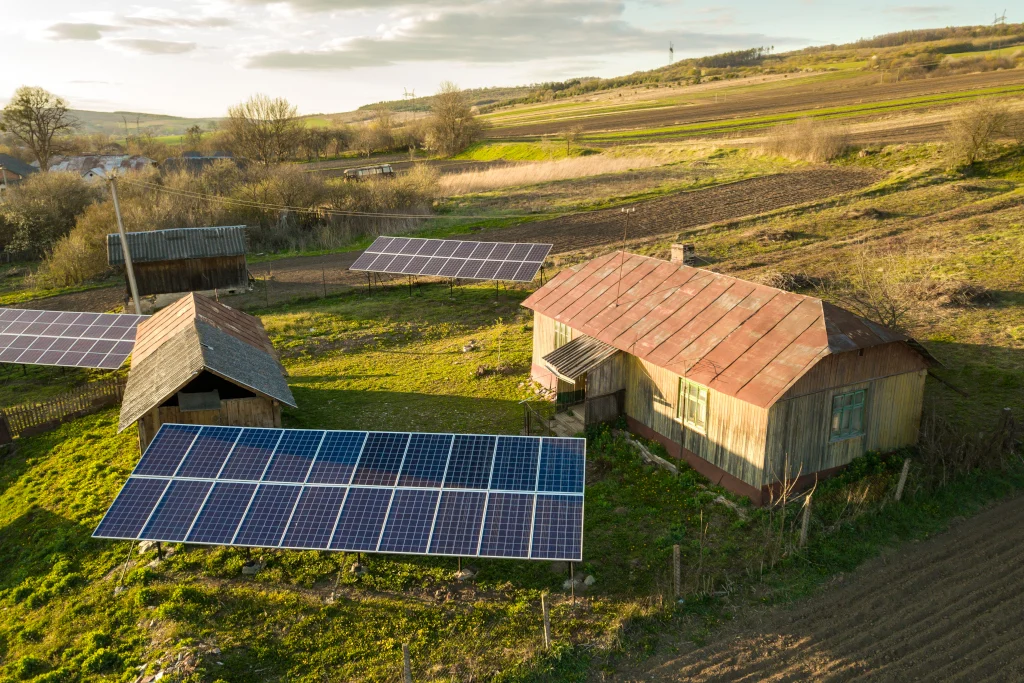
By just viewing satellite pictures, you can see how far the utilities are from the plot of land. A simple trick is to look for other houses or residences. If you spot one nearby, chances are they have electricity!
While you’re on the satellite and street views, zoom out. Hog farms, quarries, junkyards, rail lines, logging or heavy truck traffic close by can spoil daily life and resale value, so if a large farm is nearby, visit on a warm day before you decide.
This is important because if there’s no electricity, you’re going to have to figure out how to set it up! You can either refuse to purchase the piece of land without utilities or use this information as a negotiating tool.
Do a Soil Analysis for the Septic System
The same goes for wastewater. Most rural land has no sewer connection, so a future home will need a septic system, and that depends on soil you can’t judge from photos or by looking at the ground. As Acrewell Land Company explains, a county soil map such as the USDA Web Soil Survey is a good first check, but an on-site evaluation often finds less usable soil than the map suggests.
Before you commit, have a licensed soil scientist or the county environmental health office do a soil analysis (often called a perc test or soil and site evaluation). It shows whether a septic system can be permitted and where a drain field of the right size, plus a repair area, will fit; for a three-bedroom home that can mean roughly 6,000–7,000 square feet of suitable soil. Land that fails can lose most of its value, so make the sale contingent on a passing soil test.
Check the Slope, Wetlands and Flood Zones
Look at a topographic map of the parcel. Contour lines that sit close together mean steep ground, and once a building site goes past roughly a 10% grade, foundations, driveways and septic work get harder and costlier (above 15%, much more so). Check the contour interval on the map, and compare the slope with the spots where neighbors have actually built.
Then look up wetlands on the U.S. Fish & Wildlife Service Wetlands Mapper and flood risk on the FEMA Flood Map Service Center. Check the driveway route as well: if you have to cross a wetland or flood zone just to reach the building site, expect extra permits, engineering and cost.
Double Check HOA and Regulations
Most residential neighborhoods will have some housing limitations, which may originate from the neighborhood HOA or the local county. Typically, there will be a maximum size for a house, which will affect how you may really use the parcel of land. Some areas also set a minimum size for a house (which might be tough for you, tiny home dwellers)!
Make sure you are authorized to build the type of house you desire on the plot of land.
Watch Out For Rezoned Land
Several listings for land and properties lack the necessary zoning to erect a dwelling. Typically, the sellers would assert that you may easily rezone the property after purchasing it. The seller knows he would collect considerably more money from the land if it had the proper zoning. Therefore, it is almost a given that he would rezone it. In reality, however, this rarely occurs. He usually cannot rezone it simply because he is seeking to sell a property without first rezoning it.
In my opinion, this is also a big scam. By checking local tax filings or connecting with the courthouse, you should be able to see how the land is zoned.
Check About Building Permits
It is not a given that you will receive a building permit, even if the parcel of property is zoned for residential or mixed-use. If a piece of land lacks access to utilities, be sure to inquire about whether the county will give you a building permit for that location.
Counties will not issue building licenses to places where they cannot offer services and utilities. Because they can’t use it, the same piece of land will be sold repeatedly over several years.
Final Thoughts
We hope this advice helps you when buying land online. Like I said, beware of scammers, and don’t get your heart set on one property! The perfect property for you is out there… it just takes some time to find it!
Frequently Asked Questions About Buying Land Online
Is it safe to buy land online?
It can be, if you verify everything before money changes hands. Confirm the seller is the owner of record with the county recorder or tax office, close through a title company or escrow, and never wire money to a seller you haven’t verified. The FTC warns that scammers ask for payment methods that are hard to reverse.
Do I need a soil test before buying rural land?
If the land has no sewer connection, yes. A septic system needs soil that absorbs and treats wastewater, and you can’t judge that by looking at the ground. Ask a licensed soil scientist or the county environmental health office for a soil and site evaluation (often called a perc test), and make the purchase contingent on passing it. The EPA explains how the drain field relies on the soil.
How much does a perc test or soil evaluation cost?
It depends on your state, county and site. Simple county evaluations can cost a few hundred dollars, while private soil scientists and larger or harder sites often run from about $750 to $1,900 or more, plus county permit fees. Ask the local health department for its fee schedule before you make an offer.
How much land do I need for a septic system?
Not the whole lot has to be suitable. The drain field size depends on the number of bedrooms and how fast the soil absorbs water, and most counties also require a reserve area for a future repair. As a rough guide, a three-bedroom home may need about 6,000 to 7,000 square feet of suitable soil for the initial system and repair area.
How can I check land online before visiting it?
Start with satellite and street views to check access and nearby homes, then look up the soil on the USDA Web Soil Survey and flood risk on the FEMA Flood Map Service Center. Treat these as screening tools only, and confirm soil, zoning and access on site before you buy.
Get our newest articles every week
One short email a week with our newest self-reliance and off-grid articles. Free, and you can unsubscribe at any time.
We use Mailchimp to send this email. See our privacy policy.