Living off-grid in Delaware is legal and surprisingly one of the best options on the East Coast, thanks to low taxes, affordable property costs, and clean natural resources. While crime rates and limited land availability can pose challenges, Delaware’s mild climate, renewable energy potential, and fiscal stability make it an appealing state for sustainable living.
Why Delaware Works for Off-Grid Living
- Legal status: Off-grid living and rainwater harvesting are legal, with minimal restrictions.
- Taxes: Delaware has no sales tax, a very low property tax rate (0.56%), and overall affordable taxation compared to neighboring states.
- Property costs: Median home prices (~$230,000) match the national average, far lower than most East Coast states.
- Healthcare: Ranked among the best in the country, making it attractive for retirees.
- Climate: Mild four-season climate with average summer temps around 80°F and winter lows near 25°F.
Challenges of Off-Grid Living in Delaware
- High crime in some areas: Wilmington, New Castle, and Dover have higher crime rates, while towns like Hartly and Fenwick Island are safer.
- Limited farmland: Due to Delaware’s small size, good agricultural land is competitive and harder to secure.
- Weather risks: Storms, hurricanes, and winter storms are relatively common.
- Education system: Below average compared to other states—homeschooling is a popular choice for off-grid families.
Farming and Food Production
Delaware farmers grow corn, wheat, soybeans, and apples. Poultry farming is also significant, with chicken production ranking high. Rainfall averages 46 inches per year, providing an ample water supply for crops and wells.
Energy Options for Off-Grid Living
- Solar power: Delaware offers great solar potential, with a 30% federal tax credit available. Some counties also provide rebates, though there’s no statewide incentive.
- Wind power: Coastal winds make small-scale wind turbines viable. Delmarva Power customers may qualify for the Green Grant Delaware program plus federal tax credits.
Wildlife and Outdoor Living
Hunting and fishing opportunities are abundant. White-tailed deer, raccoons, foxes, and waterfowl are common, while both freshwater and saltwater fishing provide a wide variety of species.
Cost of Living in Delaware
- Overall: Slightly above the national average.
- Healthcare: 15% more expensive.
- Groceries & utilities: About 6% higher.
- Transportation: 5% lower than the U.S. average.
In More Details
Delaware is the country’s second-smallest state, with a population of roughly 970k people, and is steadily increasing. Living off-grid in Delaware is often neglected, primarily because the states on the East Coast have hefty taxes and a relatively high cost of living. Delaware stands out from the throng, with a cost of living and taxes that are comparable to those seen in southern states.
Living off-grid is legal in Delaware, and it is possibly one of the greatest off-grid living states on the East Coast. I know that might be strange to hear, but it lets me explain the benefits. Although housing and land costs are comparable to the national average, Delaware’s low property tax, lack of sales tax, and overall low tax rates make it a good off-grid state. The state’s biggest issues are its aging population and the relatively high crime rate in some places.
General Statistics for Living Off-Grid in Delaware
Delaware is in the lead when it comes to the cleanliness of the water on its beaches. The beaches are clean and not congested. Believe me when I say that if you come from California, your mouth will drop at the sight of how clean they are. Delaware is a terrific state for retirees since the taxes are low and there is no sales tax, which is why so many people pick it as their retirement destination.
Delaware is one of the most fiscally stable states in the US. Even though taxes do not raise much money, local governments make do with what they have. Many states that aren’t fiscally sound spend more than they earn, which means you’ll have less money in your pocket because taxes will continue to rise. Despite the fact that Delaware’s education system isn’t the greatest in the country, the state has one of the top healthcare systems in the country, and many individuals work in the medical field.
In some parts of the state, cheap taxes have a detrimental impact. Several government institutions are underfunded, and you’ll notice a lot of old police cars from the 1990s. Some may say that the unusually high crime rate in this state is due to the low taxes, as local authorities struggle to keep up with everything with such a small budget. On the other hand, the opioid crisis has a significant role in the state’s relatively high crime rate. Check read my recent piece Off-grid Living in Pennsylvania for a look at a neighboring state.
What is Delaware’s Climate?
Delaware’s climate is humid subtropical, which means the summers are hot and the winters are mild to cool, as is characteristic of the eastern coast. Because of its proximity to the water, Delaware has a pretty high humidity all year, and the weather can be erratic at times. The average summer temperature is around 80 degrees Fahrenheit, and the average winter temperature is around 25 degrees Fahrenheit.
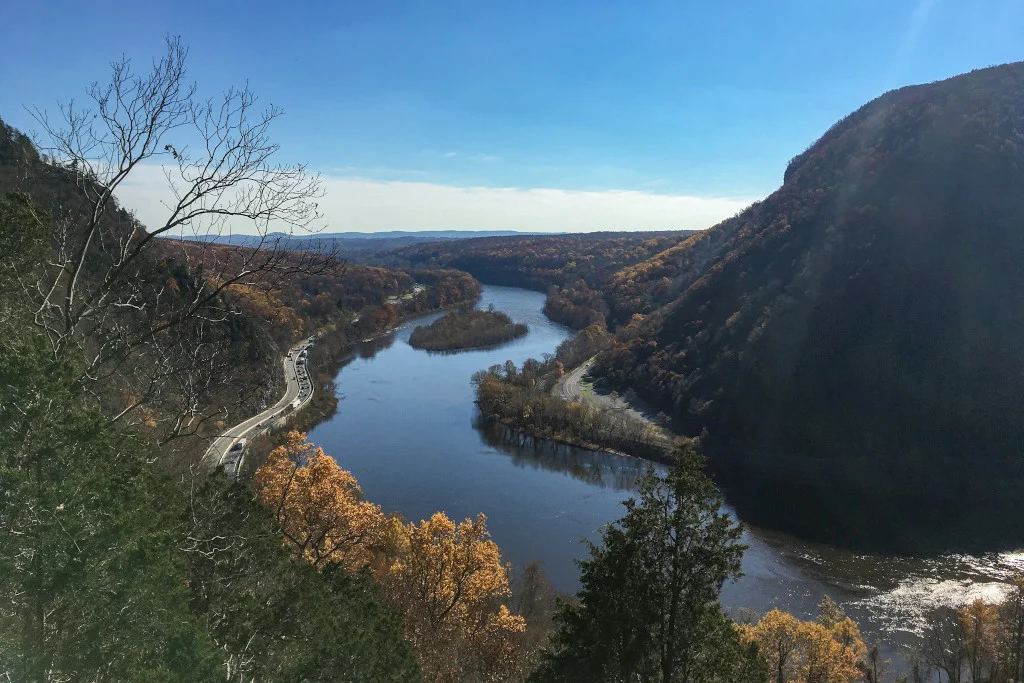
In my opinion, these are some of the best temperatures for off-grid living because even though you get all four seasons, they’re all pretty mild.
What are the Best Crops to Grow in Delaware?
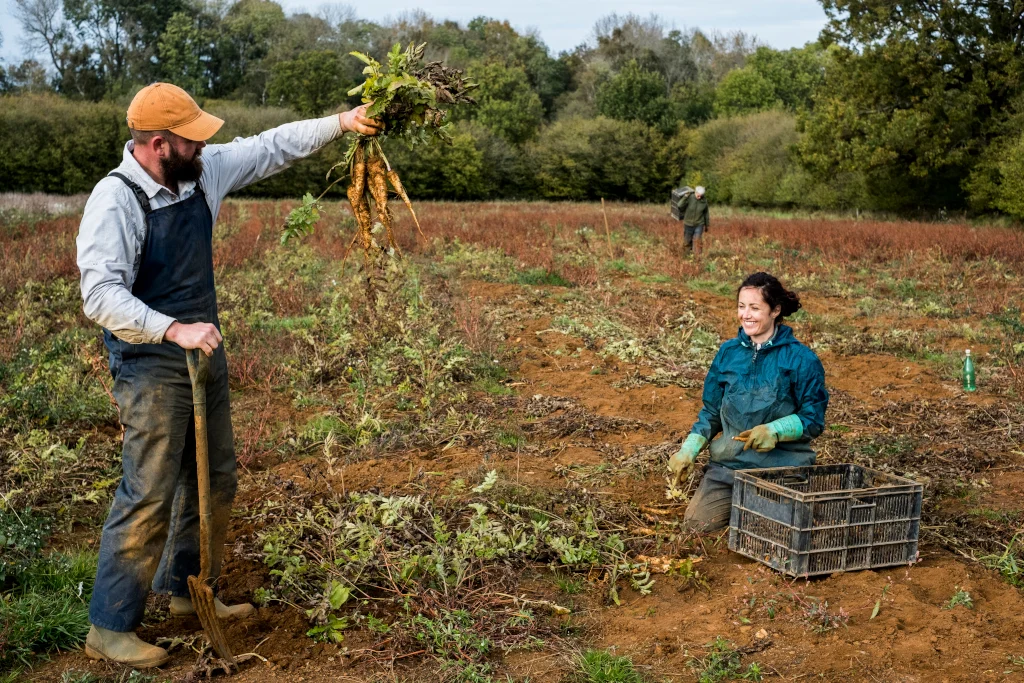
Corn is the most often planted crop in Delaware, followed by wheat and soybeans. You’ll also find a lot of chicken farms in this state because chickens are one of the most valuable things they cultivate. Delaware is also known for its apples and cider, which you should try if you end up moving.
Although there are some viable alternatives for growing crops in this state, the main challenge will be obtaining inexpensive land that is suited for growing crops, owing to the state’s tiny size.
What is Freshwater Availability Like in Delaware?
Delaware receives about 46 inches of rain each year, which is normal for East Coast states. Freshwater is plentiful in Delaware, and the greatest part is that its waterways, both on the coast and inland, are among the cleanest in the country. Off-grid residents in Delaware typically use a well or collect rainwater from their rooftops.
What kind of Wildlife Does Delaware Have?
Because of Delaware’s limited size, only one animal may be classified as huge, which is the white-tailed deer. Raccoon, fox, mink, otter, and beavers can also be found in this state. Largemouth bass, panfish, shad, and red drum are some of the fish found in this state. Black sea bass, snowy grouper, warsaw grouper, rock hind, and other marine fish are examples. You can get hunting and fishing permits online.
How to Get Off-Grid Power in Delaware
Solar power: Delaware is an excellent state for using solar panels to create electricity, as long as you are not too close to the coast, as saltwater will corrode some of the panels. To make the solar system more affordable, you can apply for a 30% federal tax credit and take advantage of rebates offered by some counties. Unfortunately, there are presently no statewide solar energy incentives.
Wind power: Because Delaware is located on the coast, the wind will be blowing virtually continually. To make the wind turbine installation more affordable, you can apply for the federal tax credit and the Green Grant Delaware, but only if you are a Delmarva Power customer.
Does Delaware Have Any Off-Grid Living Laws?
Although it is permissible to live off the grid in Delaware, only a small percentage of residents do so. Rainwater harvesting is legal as long as you do not store large amounts of water. If you wish to live off the grid in Delaware, you’ll probably be better off homeschooling your children because the state’s education system isn’t the best. Homeschooling rules are rather lax, and there aren’t as many restrictions for the kids.
What is Delaware’s Road Access Like?
Delaware has a lot of roads because of its tiny area, but you’ll note that the roads get a lot worse as you approach closer to the coast, which is largely due to saltwater corroding the asphalt over time. Frankly, road access isn’t too difficult, where you’ll need an off-road capable vehicle unless you live on the beach itself.
What is Delaware’s Job Market Like?
Delaware’s unemployment rate is currently about 4.8 percent and is progressively increasing; in 2019, it was around 3.2 percent, which is still lower than the national average of 3.8%. The minimum wage is $10.50 per hour, which is more than the national average of $7.25 per hour.
Healthcare, mining, agriculture, commercial fishing, and manufacturing are the largest industries in which the majority of people work. It’s worth noting that if you work in the IT profession, you’ll have a difficult time finding work. This is because the state doesn’t offer any incentives to the IT industry.
What is the Price of Land in Delaware?
The cost of land is comparable to the national average, and the median house cost in both the national average and Delaware is roughly $230,000. When comparing Delaware to other East Coast states, you’ll see that most of the East Coast states have property costs that are 40-70 percent higher. The cheapest land is generally found in the western section of the state, while the most expensive is found around the coast.
What is Delaware’s Property Tax?
Delaware’s property tax is substantially below the national average. It now stands at 0.56 percent, whereas the national average is 1.08 percent. New Castle has the highest property tax rate in the state, at 0.72 percent. The property tax is significantly lower than the East Coast norm. If you’d like to read about another state with a low property tax, check out my articles on Alabama.
What is the Cost of Living Off-Grid in Delaware?
Delaware’s cost of living is slightly higher than the national average. Health care services cost 15% more, and groceries and utilities cost 6% more than the national average. The only thing that is less expensive in Delaware is transportation, which is around 5% less expensive than the national average.
What is Delaware’s Crime Rate?
Despite the fact that the crime rate is higher than the national average, certain counties have lower crime rates. The statewide crime rate is 4.25 crimes per 1000 people, compared to roughly four crimes per 1000 people nationally. Hartly, Hockessin, Townsend, Houston, and Fenwick Island are the safest places to be. Wilmington, New Castle, Milford, Seaford, Dover, and Rehoboth Beach have the highest crime rates.
Do Natural Disasters Affect Off-Grid Living in Delaware?
Tornadoes, storms, hurricanes, thunderstorms, winter storms, and floods are all-natural catastrophes in Delaware. Winter storms and thunderstorms are the most common natural disasters. This is due to the close vicinity of the ocean, which may make the weather highly unstable at times.
Can You Live Off-Grid in Delaware?
Overall, Delaware is a solid off-grid state with a good healthcare system and minimal taxes, but a high crime rate. Delaware is a great place to visit and live off-grid if you enjoy nature, and the beaches are some of the cleanest in the country.
It may be difficult to find land to purchase in Delaware. However, the prices are right, and once you’re set up, it will be an easy place to live sustainably. Living off-grid in Delaware gets a high ranking in comparison to the other East Coast states.
FAQ
- Is it legal to live off-grid in Delaware?
Yes, off-grid living is legal, including rainwater harvesting and homeschooling. - What are the biggest challenges?
Higher crime in some regions, limited farmland availability, and exposure to coastal storms. - How affordable is Delaware compared to other East Coast states?
Much more affordable. Property taxes are among the lowest in the region, and land prices are close to the national average. - What energy options are best?
Both solar and wind energy work well, especially inland for solar and near the coast for wind. - Is Delaware good for farming?
Yes, but farmland is limited. Corn, soybeans, wheat, poultry, and apples are the main agricultural outputs. - What’s the climate like?
Delaware has a humid subtropical climate with warm summers, mild winters, and relatively high humidity year-round.
Get our newest articles every week
One short email a week with our newest self-reliance and off-grid articles. Free, and you can unsubscribe at any time.
We use Mailchimp to send this email. See our privacy policy.