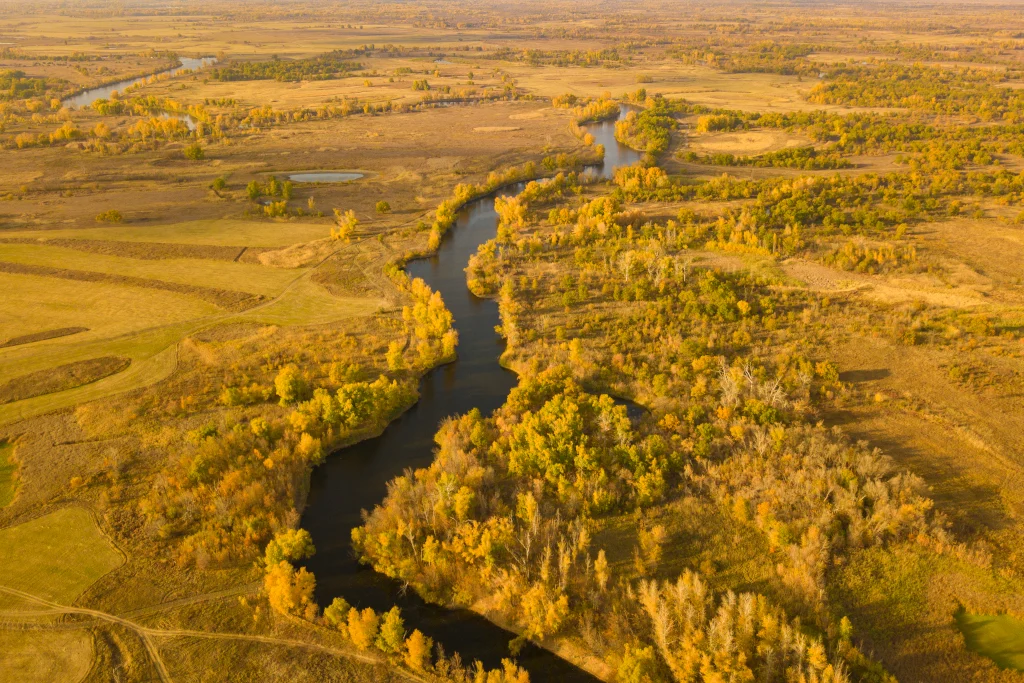
Yes, you can live off-grid in Manitoba, and it’s especially rewarding in the southern regions thanks to fertile farmland, abundant freshwater, and affordable land. However, northern Manitoba poses serious challenges, including extreme cold, road inaccessibility, and polar bear encounters. Success depends largely on where in the province you choose to settle.
Why Consider Living Off-Grid in Manitoba?
- Rich natural resources: Thousands of lakes, rivers, and forests provide excellent fishing, hunting, and foraging opportunities.
- Good climate in the south: Humid continental weather supports diverse crop cultivation.
- Renewable energy potential: Manitoba ranks high for annual sunshine and has ideal conditions for wind energy.
- Affordable land: Property prices outside Winnipeg are generally accessible, especially in rural southern towns.
Challenges of Off-Grid Living in Manitoba
- Severe northern climate: Subarctic conditions make farming nearly impossible.
- Wildlife risks: Polar bears are a real danger in northern areas.
- Isolation: Many northern communities have no road access; transportation relies on planes, snowmobiles, or dogsleds.
- High living costs in the north: Food and supplies often must be airlifted, driving up prices.
Climate in Manitoba
Manitoba’s south enjoys warm summers averaging 56–79°F (13–26°C) and occasional highs near 100°F (38°C). Winters are cold, with averages from 0–40°F (-18–4°C). The north has subarctic conditions with long, harsh winters.
Crops You Can Grow
In southern Manitoba, you can grow canola, barley, rye, potatoes, soybeans, oats, lentils, buckwheat, peas, beans, and wheat without the need for a greenhouse.
Freshwater Abundance
With Lake Winnipeg, Lake Manitoba, Lake Winnipegosis, and thousands of smaller bodies of water, freshwater is plentiful. Annual rainfall is about 9″ (225 mm), and fishing opportunities are world-class.
Wildlife
Expect to encounter moose, deer, wolves, caribou, coyotes, lynx, beavers, and polar bears. Fishing options include brook trout, northern pike, lake sturgeon, and arctic char.
Power Options
- Solar: Manitoba ranks third in Canada for annual sunshine. Several programs, like the Affordable Energy Program, help reduce solar installation costs.
- Wind: Coastal regions offer strong wind power potential.
Laws & Lifestyle
Off-grid living is legal in Manitoba, with homeschooling widely accepted in remote areas. Road access is strong in the south but scarce in the north. Jobs are mainly in agriculture, mining, energy, and tourism, with unemployment below the national average.
Costs
Living in southern Manitoba costs about the national average, while northern living can be prohibitively expensive due to transport and food costs. Land is affordable in most rural areas outside Winnipeg.
Natural Disasters
Floods, tornadoes, wildfires, and harsh arctic storms occur, particularly in northern areas. Winter storms can disrupt daily life significantly.
In More Details
Living off-grid in Manitoba is fantastic because the climate is mild in the south, and you can cultivate a variety of crops. Furthermore, living off the land is rather simple here, especially if you can fish, as there are thousands of lakes and rivers teeming with fish. Living off-grid is simply a way of life in the province’s northern regions, where many villages and settlements lack even road access.
Manitoba is known for its numerous lakes, including some of the world’s largest, such as Lake Winnipeg, Lake Manitoba, and Lake Winnipegosis, as well as innumerable smaller lakes. There are numerous national parks and reserves in this province, including Riding Mountain National Park, Amisk Park Reserve, Sand Lakes Provincial Park, Wapusk National Park, and Caribou River Park Reserve.
Should You Live Off-Grid in Manitoba?
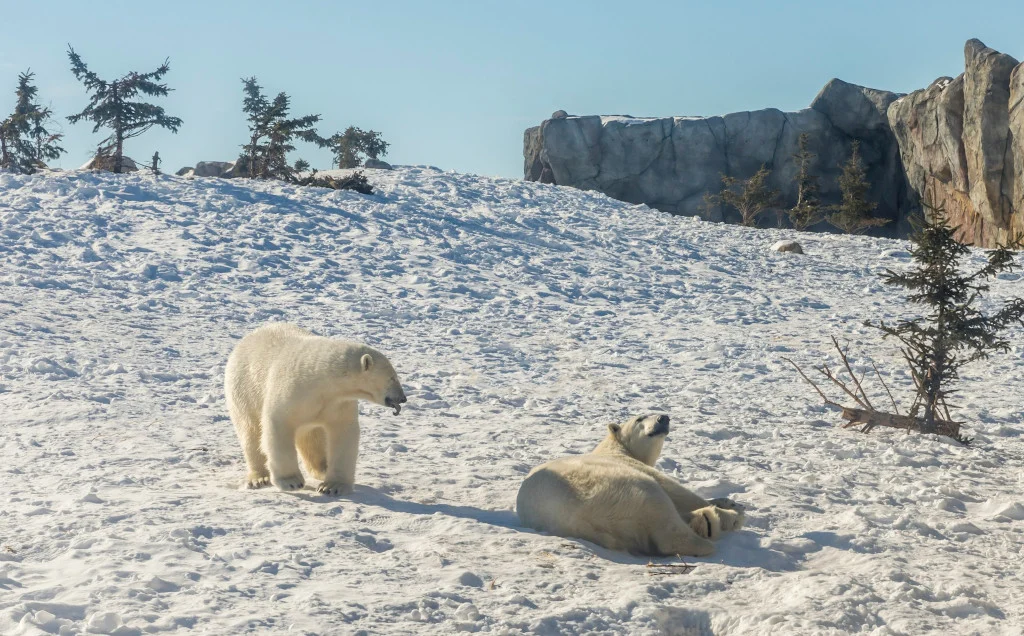
Manitoba is one of the greatest sites in the world to see the Aurora Borealis, also known as the Northern Lights, especially in the province’s north, where there is less pollution. Living off-grid in Manitoba is conceivable, although it can be highly dangerous in the province’s northern regions. Polar bears are abundant in this province, with the majority of them found in the north as they migrate through Manitoba.
Some municipalities in the province explicitly advise residents to leave their automobiles unlocked at all times since polar bears frequently infiltrate these smaller towns and can become quite aggressive, especially if they are hungry. While you may think that everyone leaving their car doors unlocked would raise the crime rate, the truth is that most people in these local communities know each other, and the crime rate is rather low.
What’s the Climate in Manitoba?
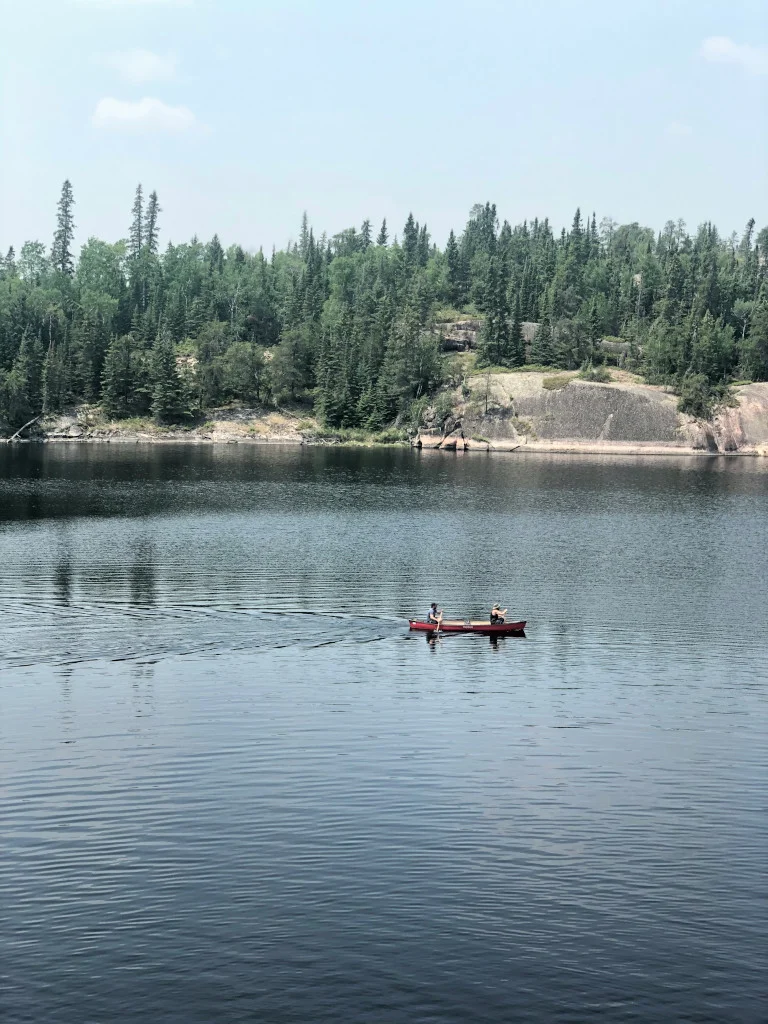
Manitoba features two distinct climates: humid continental in the south and subarctic in the north. The average summer temperature is between 56.3°F and 78.6°F (13.5°C and 25.9°C), while temperatures can reach 100°F (38°C) in some years. The average winter temperature ranges from 0°F to 40°F (18°C to 40°C), with the coldest sections being in the province’s northernmost areas.
Interested in a province with the same temperature? I recommend checking out Saskatchewan province.
What Types of Crops Can You Grow in Manitoba?
Because of the warm environment, crops such as canola, buckwheat, barley, field peas, field beans, fava beans, rye, potatoes, soybeans, oats, lentils, spring wheat, and winter wheat can be grown. The southern portions of the province are ideal for crop cultivation. In some regions, you don’t even need a greenhouse to cultivate crops.
What’s Freshwater Availability Like in Manitoba?
Manitoba has a lot of fresh water because of its humid continental climate. There are also thousands of lakes and rivers, especially in the northern areas of the province. The average yearly rainfall is roughly 9′′ (225 mm), although when compared to various states in the US, 9′′ of yearly rainfall normally occurs in semi-arid climates dominated by deserts.
What Kind of Wildlife is in Manitoba?
Wildlife in Manitoba includes beavers, caribou, coyotes, lynx, moose, raccoons, skunks, white-tailed deer, wolves, and polar bears. Polar bears are a major concern in some locations because they frequently wander into communities. They are hunting for food or passing through on their way north. Manitoba boasts thousands of lakes and access to Hudson Bay, making it an ideal fishing destination. You may catch brook trout, arctic char, black crappie, brown trout, burbot, cisco, lake sturgeon, northern pike, splake, and tiger trout here.
If you’re thinking about hunting or fishing in Manitoba, you’ll need a permit. Find all the details on that here.
How to Generate Off-Grid Power in Manitoba?
Solar power: Manitoba boasts one of the cleanest skies in the country, and it ranks third in the country in terms of yearly sunshine. Manitoba used to offer a large solar incentive program called the Manitoba Hydro Solar Rebate Program. It is no longer available but will most likely be reinstated in the near future. The good news is that you can still apply for a loan or decrease the expenses of a solar power system through local programs. Some of these are the Affordable Energy Program, Energy & Water Saver Program, and Indigenous Communities and Energy Efficiency Program.
Wind power: This province is also ideal for generating electricity using wind turbines, particularly along the coast. You can apply for the Affordable Energy Program and the Energy & Water Saver Program to help you save money.
Are There Off-Grid Laws in Manitoba?
Living off the grid is legal in Manitoba, although it can be highly dangerous and difficult in the northern sections. If you are visiting from the United States, the finest places for living off-grid are in the province’s southernmost regions. You can also homeschool your children, which is rather prevalent in more remote regions; homeschooling rules are relatively flexible; just make sure you understand the criteria.
What’s Road Access Like in Manitoba?
Manitoba has lots of highways in the southern sections of the country. However, numerous settlements in the north have no road connectivity at all. For example, you can only go to Churchill by plane, making transportation quite costly. In the south, most people drive 4×4 pickup trucks, while in the north, they utilize snowmobiles or dogsleds.
What’s the Price of Land in Manitoba?
The cost of land is slightly higher than in Alberta (and cheaper than in Newfoundland), but not because of the high population density, but because many regions are simply inaccessible. As long as you stay away from Winnipeg, you will have no trouble finding cheap property near a smaller town.
What’s the Cost of Living Off-Grid in Manitoba?
The cost of living in the southern portions of the province is about the national average. However, it can be much higher in the northern parts of the province. There are several smaller villages and localities in the northern areas with no road access, which means that everything must be airlifted in, raising the expense of living dramatically. Furthermore, the northern sections of the province are unsuitable for crop cultivation; thus, even food must be transported by plane.
You want to live off the grid for cheap? I get it. I recommend checking out some of the United States’ southern states (specifically, Kentucky is great)!
What’s the Job Market Like in Manitoba?
Manitoba has a minimum salary of $11.65, and the unemployment rate is at 5%. This is much lower than the national average of 6.9%. Oil, gas, renewable energy, mining, agriculture, forestry, transportation, and tourism are the most important industries.
Are There Natural Disasters That Affect Manitoba?
Floods, landslides, wildfires, tornadoes, storms, and arctic winds are common in Manitoba. Storms are the most prevalent natural disasters. They can greatly affect daily life during the winter, especially in northern areas.
Conclusion
Living off-grid in Manitoba is ideal for those seeking affordable land, renewable energy potential, and outdoor abundance. For safety and practicality, the southern regions are best suited, while northern Manitoba is only for the most resilient off-grid enthusiasts.
FAQ
- Is it legal to live off-grid in Manitoba?
Yes, off-grid living is legal, and homeschooling is also allowed with flexible rules. - What are the main risks of off-grid living in Manitoba?
Polar bears in the north, isolation due to limited road access, and extreme winter conditions. - Which crops grow best in Manitoba?
Canola, barley, rye, potatoes, soybeans, oats, lentils, and wheat thrive in the southern climate. - How can you generate power off-grid?
Solar and wind are the top renewable energy sources, with some provincial support programs available. - Where is the best place to live off-grid in Manitoba?
Southern Manitoba offers the best balance of climate, road access, and affordable land for sustainable off-grid living.
Get our newest articles every week
One short email a week with our newest self-reliance and off-grid articles. Free, and you can unsubscribe at any time.
We use Mailchimp to send this email. See our privacy policy.