This post contains affiliate links. If you buy through them, we may earn a commission at no extra cost to you. Learn more.
Yes, mulch can attract bugs—especially organic types that provide shelter and food for pests. Ants, termites, cockroaches, flies, mosquitoes, spiders, and even wasps are drawn to mulch due to its warmth, moisture, and organic matter. But with smart prevention techniques and a little planning, you can enjoy the benefits of mulch without the bug invasion.
Why Mulch Attracts Bugs
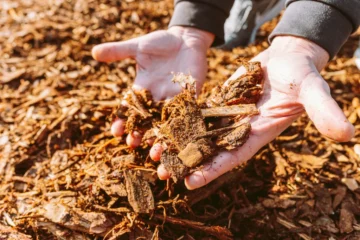
Mulch—especially organic mulch made of wood chips, leaves, or grass—creates a moist, sheltered environment perfect for insects. It’s a food source and nesting site all in one. In contrast, inorganic mulches like rubber or landscape fabric are less attractive to bugs, though not immune.
Organic vs. Inorganic Mulch
- Organic Mulch: Attracts ants, termites, earwigs, cockroaches, flies, spiders, mosquitoes, and ticks due to its nutrients and moisture.
- Inorganic Mulch: Less appealing to bugs but can still provide shelter if not managed properly. Consider mulches with plant-safe bug repellents.
Common Mulch-Loving Insects (And What to Do About Them)
Ants
Ants thrive in organic mulch due to its warmth and humidity. Try:
- Organic pesticide: Safe for plants and kills colonies.
- Ant war method: Combine two ant colonies—yes, really. They’ll fight to the death.
Termites
They love wood mulch near sheds or homes. To prevent infestations:
- Replace wood mulch with hay, grass, or rubber mulch.
- Use heat treatment: leave mulch in direct sunlight to reach 120°F.
Cockroaches
They flock to mulch with food scraps or compost. To repel them:
- Remove compost or replace it with grass mulch.
- Cover food scraps well to keep them hidden.
Flies
Like cockroaches, flies are drawn to anything that smells.
- Remove food sources and compost.
- Use insecticide like Spectracide for fast results.
Spiders
They actually help by preying on pests. But if you want to reduce their numbers:
- Use spider-specific insecticide (if necessary).
- Thin mulch layers to expose hiding spots.
Yellowjackets and Wasps
Attracted to dead insects and food remnants in mulch.
- Use flying insect spray like Raid.
- Remove dead bugs and keep mulch tidy.
Bees
Rare, but bees may nest in deep mulch piles.
- Contact a local beekeeper to relocate the hive safely.
Mosquitoes
They breed in moist mulch. To prevent this:
- Spread mulch thinly.
- Let it dry in the sun before applying.
Ticks
They prefer the plants growing in mulch, not the mulch itself.
- Spray plants with tick repellents (DIY or store-bought).
Tips to Keep Bugs Out of Mulch
- Don’t pile mulch too thick. Stick to 2–3 inches max.
- Keep mulch 6–12 inches away from your home’s foundation.
- Avoid adding food scraps unless you’re managing a compost pile well.
- Use sunlight or heat to sterilize organic mulch before spreading.
- Choose mulch with built-in bug repellents if going inorganic.
In More Details
Mulch is awesome. However, mulch does attract bugs. One of these is that bugs love it. While it’s great for around your plants, mulch offers the perfect place for bugs to make a home and have endless babies. Eventually, these bugs will make their way to your plants and eat a delicious garden salad that was supposed to be your lunch!
In this article, you’ll learn just that. We’ll cover what types of bugs mulch attracts and how to prevent each type of common species.
And, if you’re interested in gardening, be sure to check out our library of resources. We answer plenty of questions just like this one.
Do All Types of Mulch Attract Bugs?
Generally speaking, mulch can be broken down into two categories: organic and non-organic. The former is much more likely to attract pests and bugs. Let’s cover why exactly this is the case:
Organic Mulch
Organic mulch does attract bugs. In fact, it’s much more likely to attract bugs than other types of mulch. Specifically, organic mulch attracts ants, cockroaches, millipedes, centipedes, spiders, sowbugs, and earwigs. These bugs eat wood, grass, leaves, and other materials that make up organic mulch. Specifically, they eat matter that is rich in nutrients.
Rumor has it that organic mulch can bring termite colonies to your house or shed. However, the likelihood of this happening is pretty low. That being said, I recommend airing on the side of caution (because let’s face it – termites are not worth messing around with). To mitigate this potential problem, leave your organic mulch in the sun before you spread it. Any pests will be killed once the mulch hits 120°F.
Inorganic Mulch
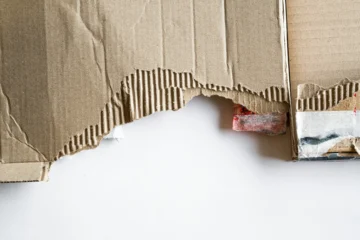
Inorganic (or non-organic) mulches are mulches that come from artificial ingredients like newspaper, cardboard, and rubber. These non-organic mulches are much less likely to attract bugs; however, they still can.
That is because they don’t contain any nutrient-rich materials that bugs love. However, that’s not to say that pests can’t make a home in your inorganic mulch either. That’s why we recommend purchasing an inorganic mulch that contains plant-safe bug repellent to keep your garden safe from bugs.
What Insects Are Attracted to Mulch?
Unfortunately for your garden, there are plenty of insects that love to eat and find refuge in mulch. Here is our complete list, as well as how you can prevent and successfully exterminate them yourself:
Ants
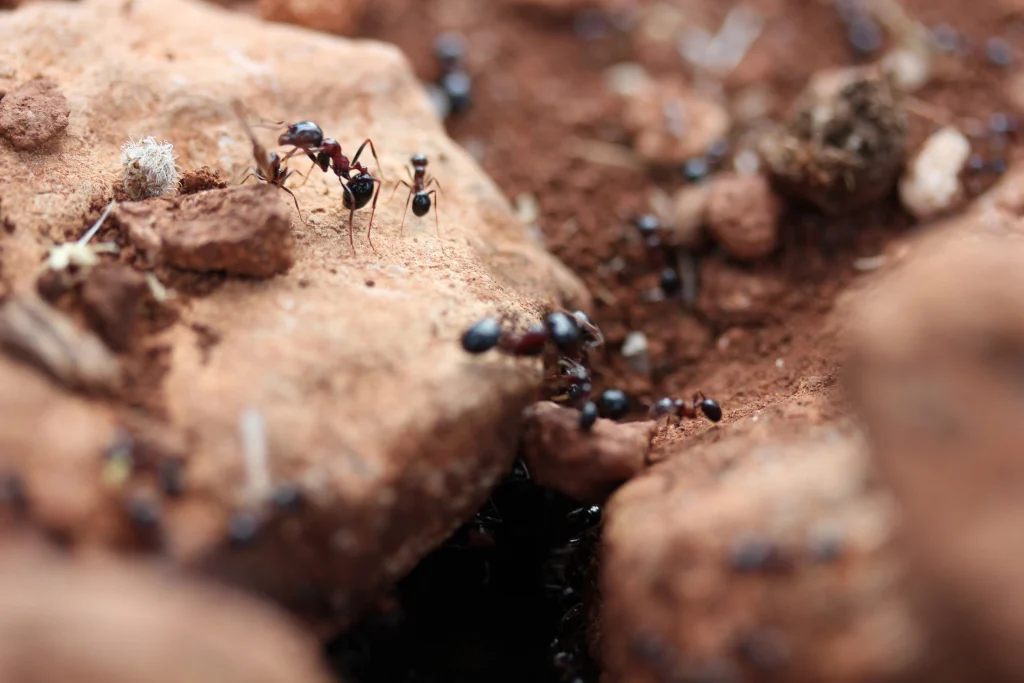
Ants frequently live under organic mulch because it provides protection and humidity. Luckily for anyone dealing with an ant invasion, they’re more of a pest than a destructive force. Still, ants suck. I recommend two different methods to kill off ant colonies in your mulch:
- The easiest way to kill off a colony of ants is to use an organic pesticide. A pesticide like this will destroy any ants without poisoning your plants.
- If you don’t want to use pesticides, then I recommend the two anthill technique. To do this, you’ll need two anthills. Simply pick up one anthill with your shovel or gloves and set it on top of the other anthill. When two ant colonies clash, they will fight each other to the death – like little Spartan warriors. Just make sure you have a pair of thick gloves or a long shovel when doing this – trust me.
Termites are a major concern. If you didn’t know, they eat wood (and, in turn, your house). They prefer a wood mulch, like cedar.
Termites
Termites will feel at home there if there is a nearby food source, such as a shed or something constructed of wood. To eliminate termites in the mulch, you must remove their food source. Therefore, if the mulch is made of wood chips, the easiest thing to do is to get rid of it.
Although insecticides can significantly lower the termite population quickly, they are typically only short-term fixes. Replace the wood chip mulch with hay, grass, or rubber mulch.
Cockroaches
Roaches prefer to reside in mulch when a lot of food is available. And what do they eat, you ask? Well, they love food scraps and other kinds of biodegradable trash. So, if you leave a lot of food scraps in your mulch (if you’re trying to start a compost bin), roaches will have no trouble constructing a nest there, even if it is below the topsoil.
If you’ve already got roaches, you should remove both the compost and the mulch to prevent further issues. Cockroaches won’t consume grass, so replacing the compost with grass mulch is a safe bet. You’ll also notice that the grass mulch won’t attract termites.
If you don’t have cockroaches in your mulch yet, make sure you’re putting your food scraps below another material. That way, bugs and other pests can’t find it as easily.
Flies
Flies tend to congregate around mulch if it has food (just like cockroaches). To flies, food is anything from a dead animal to food scraps to compost. Really, they just love anything that smells – so you’d better start scooping up your dog poop (we love this at-home pooper scooper).
You can get rid of all the flies in your mulch in only a matter of days by removing their food source and spraying the area with an insecticide.
I almost always use Spectracide. Not only does it kill pests fast, but it comes in a ready-to-spray bottle – saving you all that money from buying a spray bottle as well.
Spiders
Since spiders are mostly predators, they are generally beneficial for your mulch. However, if you don’t want them in your mulch, you must use a spider-specific insecticide. With that being said, we highly suggest you keep the spiders in your mulch. They eat other pests such as flies, ants, and even roaches.
Additionally, as most spiders prefer darkness, eliminating the top layer of mulch may help your spider problem. Just be careful that they aren’t poisonous.
Yellowjackets and Wasps
Wasps suck. And if you’ve ever been stung, you know what we’re talking about. If you’re seeing a few flying around your home, there’s most likely a nest nearby. While wasps don’t typically live in mulch, they may find food in it. Some types of wasps, like mud wasps, can dig holes and live in mulch.
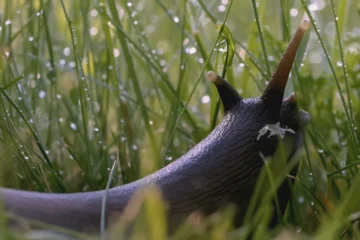
To get rid of yellowjackets and wasps, you’ll need to use a flying insect spray (something similar to Raid works well). Additionally, wasps are attracted to dead bugs like slugs, snails, and beetles – so keep your mulch clean.
Bees
While it’s rare, bees can establish colonies inside mulch. Usually, this only occurs if your mulch is piled high around trees or is relatively deep. The good news is that bees always follow their queen, so if you relocate the queen, the bees will follow.
For this, you should enlist the help of a beekeeper, as they will typically remove the bees at no cost to you (and may even keep them). That way, you don’t have the blood of an innocent on your hands.
Mosquitoes
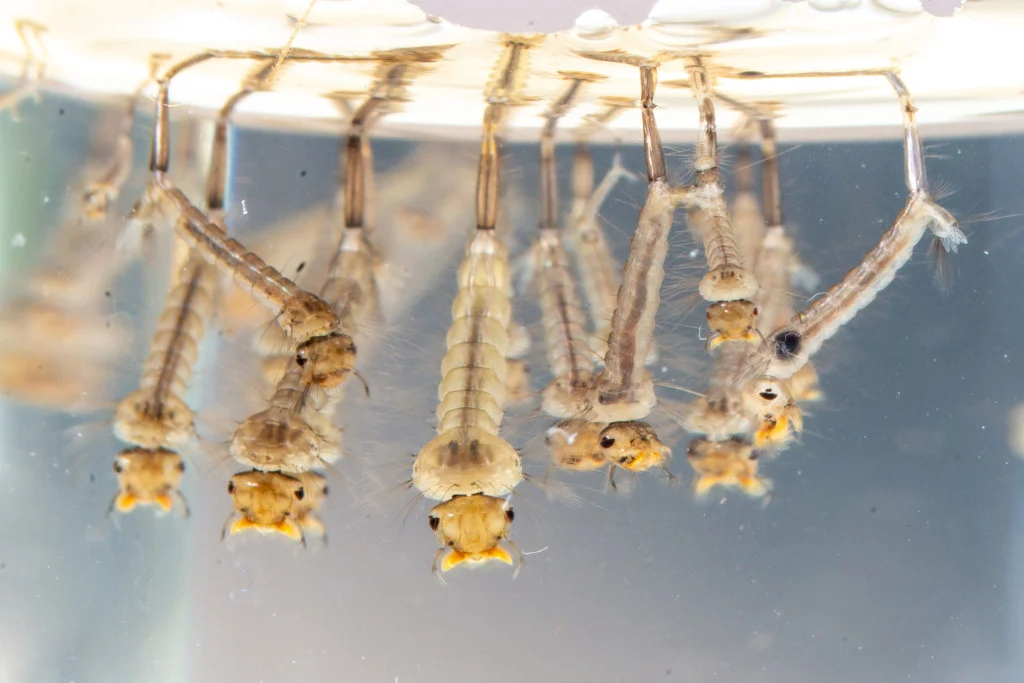
Mosquitoes love moist, dark environments to reproduce. Unfortunately for you, chances are that your mulch is the perfect spot! Check that your mulch isn’t:
- Packed too thick.
- Saturated with water.
To get rid of the mosquitoes, we recommend first thinning out your mulch and laying it in the sun. After a few days, you can put it back in its original place in a thin layer (however, it might be easier just to buy some new stuff).
Ticks
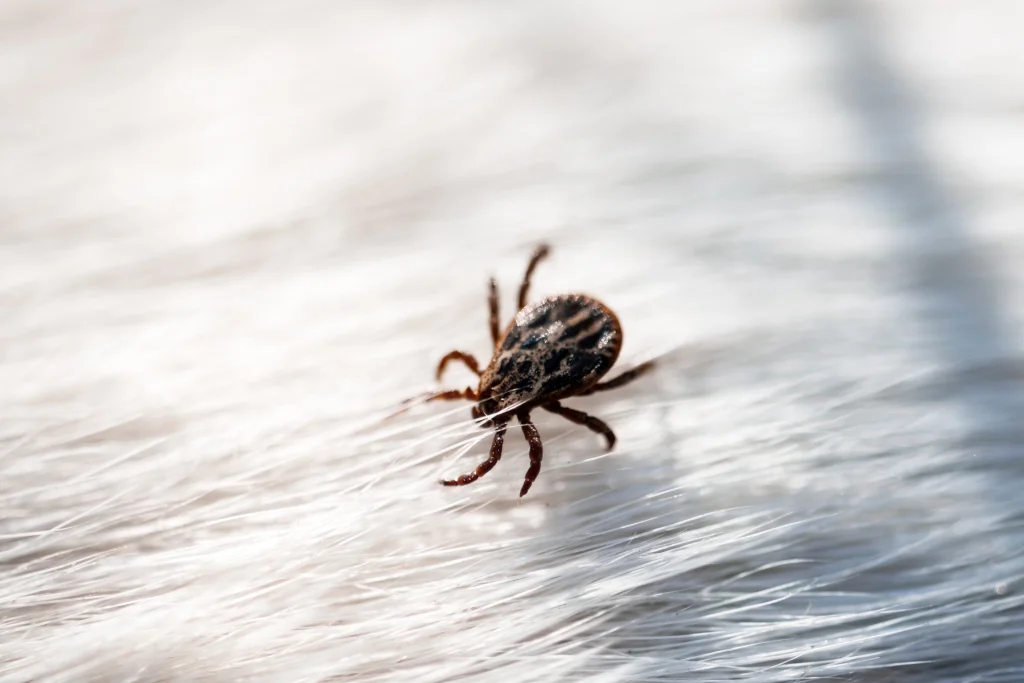
Ticks are one of the worst (and most dangerous) outdoor pests.
They are more drawn to the plants that grow in mulch than they are to the mulch itself. These pesky bloodsuckers frequently climb to the topmost branches and twigs to wait for an animal or a person to pass. Then they’ll clamp in their teeth and get to drinking.
To get rid of ticks, you don’t need to remove the mulch. Instead, you should spray your plants with tick repellent. You can also make an all-natural one yourself.
Interested in reading more about gardening? Check out our library of free resources.
FAQ
- Does mulch always attract bugs?
Organic mulch typically does, but inorganic mulches are less likely to harbor pests. - What is the best mulch to avoid pests?
Rubber, gravel, or landscape fabric mulches are least attractive to bugs. - Can mulch cause termite infestations?
Wood mulch can, especially when near wooden structures. Always keep it away from your home’s base. - Should I remove mulch if I have bugs?
Not always. Thinning it out or treating it is often enough unless it’s heavily infested. - Are any bugs in mulch actually helpful?
Yes! Spiders and centipedes can help control more harmful pest populations. - Is it safe to use compost with mulch?
Yes, but only if it’s well-managed and buried properly to avoid attracting roaches or flies.