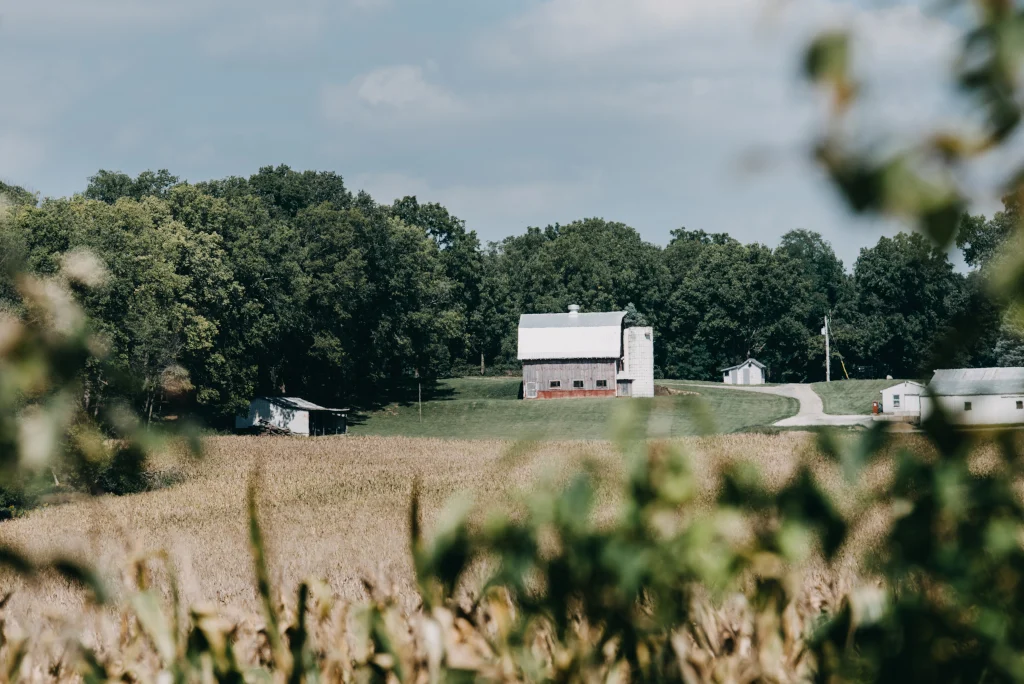
Yes, living off-grid is legal in Illinois, but it’s a challenging state for it due to harsh winters, high property taxes, and inconsistent infrastructure. While the southern parts offer better opportunities, Illinois is generally considered less favorable for off-grid homesteading than other Midwestern states like Missouri or Nebraska.
Is Off-Grid Living Legal in Illinois?
Off-grid living is legal across Illinois, including rainwater harvesting and homeschooling. However, local zoning regulations, especially near cities, may impose strict building codes. Always check county-specific requirements before building or disconnecting utilities.
Climate and Growing Conditions
Illinois has a humid continental climate with hot summers (avg. 80°F) and cold winters (avg. 10°F). Snowstorms, ice, and strong winds—especially near Lake Michigan—can impact infrastructure and self-sufficiency. Despite this, the southern part of the state is fertile, producing corn, soybeans, wheat, and oats.
Best Areas to Live Off-Grid in Illinois
- Southern Illinois: More affordable land, better soil for farming, milder winters.
- Western Counties: Lower population density, relaxed regulations, and better hunting/fishing.
- Areas to avoid: Chicago metro and Lake Michigan region due to high costs and regulations.
Crime, Corruption, and Safety
While Chicago experiences elevated crime levels, most rural and suburban areas in Illinois are relatively safe. However, the state’s reputation for political corruption and high crime perception can be discouraging.
Natural Resources and Sustainability
- Freshwater: Rivers, lakes, and frequent rainfall make water access easy.
- Rainwater Harvesting: Legal and effective due to consistent precipitation.
- Wildlife: Deer, wild turkeys, rabbits, and more offer good hunting potential.
Solar and Wind Energy in Illinois
- Solar: Efficient in summer, but snowfall and overcast winters reduce output. State and federal tax incentives exist (up to 26%).
- Wind: Strong winds across the state make wind power a solid year-round energy source.
Homeschooling and Legal Flexibility
Homeschooling in Illinois is straightforward, requiring minimal reporting. Families living off-grid benefit from legal flexibility in education and rainwater collection.
Infrastructure Challenges
Illinois roads are poorly maintained, and despite high state taxes, public services often lag behind. Infrastructure improvement is slow, and seasonal weather worsens conditions.
Land Prices and Property Taxes
- Cost of Land: Lower in the south, higher near Chicago and Lake Michigan.
- Property Tax Rate: 2.31% on average—among the highest in the U.S.
- Hotspots: McHenry County can exceed 2.8%.
Cost of Living in Illinois
The cost of living is 7% lower than the U.S. average, but high taxes negate much of the savings. Housing is cheaper, but rent remains high in urban areas. Affordable off-grid land is best found far from major cities.
Employment and Economic Reality
- Unemployment: 5.1%, higher than national average.
- Industries: Agriculture, manufacturing, mining, health care, and finance.
- Minimum Wage: $12.00/hour, higher than the federal minimum.
Natural Disaster Risks
Illinois is prone to tornadoes, floods, and winter storms. Although the state is well-prepared for emergencies, off-grid sites must be carefully chosen to avoid floodplains and exposed flatlands.
In More Details
Living off-grid in Illinois may be difficult. Illinois is one of the few states where people are leaving in large numbers. The crazy thing is that many more would be willing to do so if they could afford it. Illinois has a population of about 12 million people, with the largest city, Chicago, having a population of around 2.7 million. Illinois has one of the worst crime rates in the country. There are numerous smaller towns and communities with low crime rates.
Although you are allowed to live off the grid in Illinois, several obstacles make this a tough state for doing so. The fundamental issue in this state is the local climate, which is just unsuitable for cultivating crops. Furthermore, the crime rate, cost of living, and property tax are all significantly greater than the rest of the country.
Crime Rates and Corruption: A Hidden Cost
If you keep up with the news, you’re definitely aware that Illinois has a high crime rate and is commonly connected with corruption. On top of that, the state’s taxes are simply unforgiving for a state that offers very little to the normal person, let alone someone who wishes to live off-grid. Recently, the state increased the income tax as well.
Northern vs. Southern Illinois: Where Is It Better to Go Off-Grid?
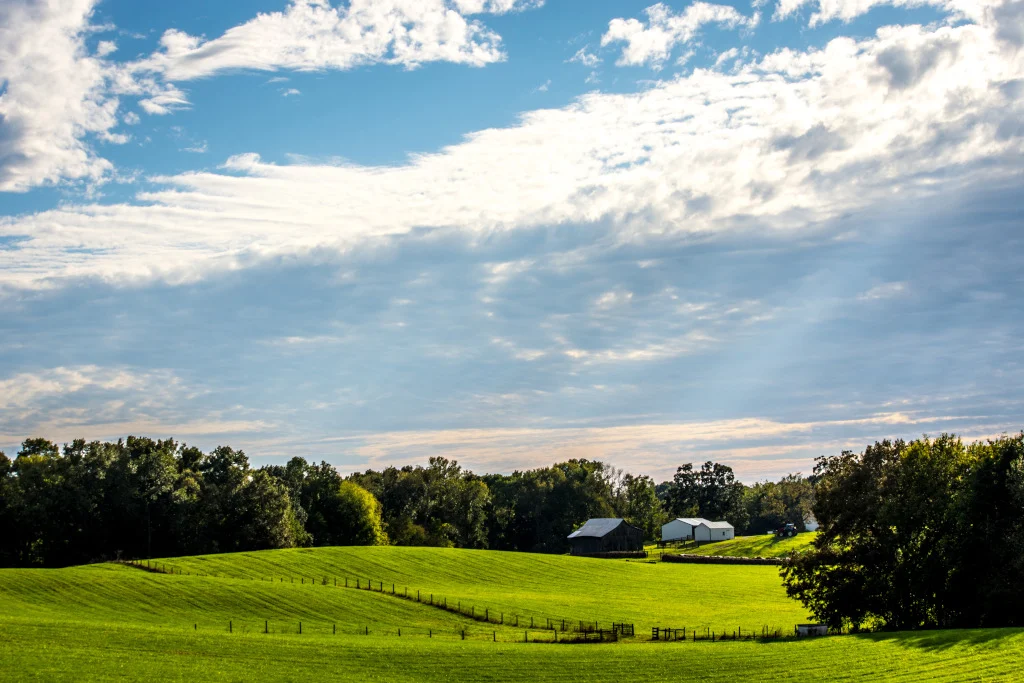
Don’t get me wrong: Illinois is a lovely state, and Chicago is one of the best cities to visit, but living off-grid may prove to be difficult. The southern and northern parts of the state have vastly different climates. As you travel south, you will see that the standard of living improves slightly, but not significantly. Even in the northern portion of the state, there are some wonderful areas to reside in, but they will cost you a lot more.
The Weather in Illinois: What to Expect Year-Round
Although this is true for the entire state of Illinois, Chicago is known as the “Windy City.” Illinois is flat, and there is little to shield the winds; also, Lake Michigan delivers a lot of rain and snow, and the weather gets worse the closer you get to the lake. Illinois has a humid continental climate, which means that summers are hot and winters are cold, and rain and snow are common.
The average temperature in the summer is around 80°F, while the average temperature in the winter is around 10°F. The northern half of the state is generally cooler than the southern section, and the temperature in Chicago is slightly higher in the summer since all those concrete buildings radiate a lot of heat. Winters can be harsh at times; the coldest temperature ever recorded in this state was -36°F, and ice storms are common in the winter.
Can You Grow Food in Illinois While Living Off-Grid?
Although you may believe that, due to the state’s geographic location, you will have limited alternatives for cultivating crops. Illinois, in fact, grows a lot of maize, soybeans, wheat, rye, and even oats. Farmlands provide the majority of the crops in the southern portion of the state, and if you visit the southern section of the state, you will note that it resembles Nebraska more than the northern part of Illinois.
Water Availability and Rainwater Harvesting in Illinois
Illinois has abundant freshwater, both underground and above ground. Several rivers run across the state, and there are numerous lakes. Because of the regular rainfalls and large snowfalls during the winter, the groundwater is refilled quite quickly. Every year, there is enough rain to allow you to capture lots of rainwater, and rainwater harvesting is legal.
Wildlife, Hunting, and Fishing Opportunities
White-tailed deer, wild turkeys, rabbits, coyotes, and other wildlife are common sightings. Some of the animals have adapted to city life, and you might see one or two of them in your backyard. If you enjoy fishing, Illinois is the place to be. You can catch everything from crappies to pumpkinseed, smallmouth bass, walleye, and yellow perch. Check the state’s website for hunting and fishing licenses as well as any local regulations.
Solar and Wind Power in Illinois: What You Need to Know
Solar power: During the summer, you will have no trouble generating electricity; however, the challenge arises during the winter, when snowfall is common and days are short and gloomy. Illinois offers both rebates and incentives for solar power; however, the federal tax credit is just 26%, while other states offer 30%.
Wind power: Because the wind is almost always blowing, this is by far one of the greatest ways to create electricity. In addition to state rebates, Illinois also has federal wind energy credits, which, when combined, might save you money.
Homeschooling and Legal Freedoms for Off-Grid Families
In Illinois, you can legally live off-grid if you don’t want to live in the city. Furthermore, rainwater harvesting is permitted in Illinois, so there is nothing prohibiting you from living off the grid. Homeschooling rules are likewise pretty conventional, requiring little more than minimal documentation and adherence to Illinois State Board of Education requirements.

Road Conditions and Infrastructure Woes
To be fair, Illinois road systems are pretty weak. With a high-tax state, you’d think they would be in perfect condition, but Illinois struggles with political corruption. The chances are that the roads will not improve in the next few years, and the worst part is that the authorities will continue to be astonished by the amount of snowfall each year.
Cost of Land and Where to Buy Off-Grid Property in Illinois
Land can be costly in most locations; nevertheless, the northern section of the state is far more expensive than the southern part. The closer you get to Chicago or Lake Michigan, the more expensive it becomes. The property is more affordable in the southern section of the state, and there is an abundance of space suited for growing crops.
High Property Taxes: The Biggest Barrier to Off-Grid Living
The 2.31 percent property tax, which is more than double the national average, is one of the reasons why Illinois is a tough state for off-grid living. Property taxes in some jurisdictions, such as McHenry County, can reach 2.83 percent. One of the main reasons why so many people are leaving this state is because of the high property taxes, which are far too high.
Cost of Living: Is It Really Affordable?
Although Illinois’ cost of living is around 7% lower than the rest of the country, the 2.31% property tax will still bite. Housing is around 20% cheaper than the rest of the country, but this is primarily owing to people’s aversion to purchasing houses because of the property tax; yet, rent in most places, particularly in Chicago, is rather expensive.
Employment Opportunities and Economic Realities
Illinois’ unemployment rate is around 5.1 percent, which is much higher than the national average of 3.9 percent. Manufacturing, agriculture, exports, and even mining employ the majority of the population. Jobs in finance and health care are plentiful, particularly in the Chicago area. Illinois’ minimum wage is $12.00, which is higher than the national minimum wage.
How Safe Is Illinois? Crime Rate Breakdown
Illinois has a crime rate of roughly 4.3 per 1000 inhabitants, which is only 0.3 points more than the national average. The majority of crime occurs in the Chicago region, whereas most smaller cities and towns have low crime rates.
Natural Disasters: Floods, Tornadoes, and Blizzards
Tornadoes, wildfires, floods, storms, and blizzards are all common natural disasters in Illinois. The good news is that Illinois is one of the states that is best prepared for natural disasters. If you wish to live off the grid in Illinois, it will be tough to find land that is sufficiently elevated to avoid flooding.
Final Verdict: Is Illinois a Good State for Off-Grid Living?
Illinois is not a favorable place to live off the grid; the primary issues are expensive property taxes and a high crime rate in some places. Winters can be particularly harsh, with plenty of snowfall and ice roads; also, due to the state’s peculiar geographical location, the weather can change rapidly.
On the positive side, Illinois has a strong growing season in the southern part of the state. Although comparable to other states in the area, I recommend looking at other Midwest states such as Missouri or Nebraska.
FAQ
- Is off-grid living legal in Illinois?
Yes, but local zoning and building codes may complicate your setup. Always verify county laws before beginning your build. - Can I grow food off-grid in Illinois?
Yes. The southern half of the state supports agriculture, including corn, soybeans, oats, and wheat. - Is rainwater harvesting legal?
Yes, and it’s practical due to consistent rainfall and snowmelt replenishing groundwater. - What renewable energy is best for Illinois?
Wind power is more reliable year-round, but solar is effective in summer. Most off-grid setups combine both. - How much does land cost in Illinois?
Land near cities is expensive. Southern Illinois offers more affordable land starting under $3,000 per acre in some areas. - What are the biggest challenges to off-grid life in Illinois?
High property taxes, harsh winters, political corruption, and unreliable infrastructure. - Are there better states for off-grid living?
Yes—Missouri, Kentucky, and Nebraska generally offer lower taxes, better land prices, and friendlier regulations.
Get our newest articles every week
One short email a week with our newest self-reliance and off-grid articles. Free, and you can unsubscribe at any time.
We use Mailchimp to send this email. See our privacy policy.